
Perché dovresti scegliere un monitor pubblicitario rispetto ad altri annunci pubblicitari?
La pubblicità ha fatto molta strada dai vecchi annunci sui giornali e dai cartelloni pubblicitari lungo le strade. Un tempo le aziende facevano largo uso di annunci statici che rimanevano invariati per settimane o addirittura mesi. Ma il pubblico di oggi vive in un mondo frenetico e digitale. Le persone si aspettano informazioni immediate e desiderano esperienze visivamente coinvolgenti.
I metodi pubblicitari tradizionali esistono ancora, ma faticano a tenere il passo con le aspettative dei consumatori moderni. È qui che entrano in gioco i display pubblicitari. Stanno trasformando il modo in cui i brand comunicano, attraggono e convertono il pubblico.
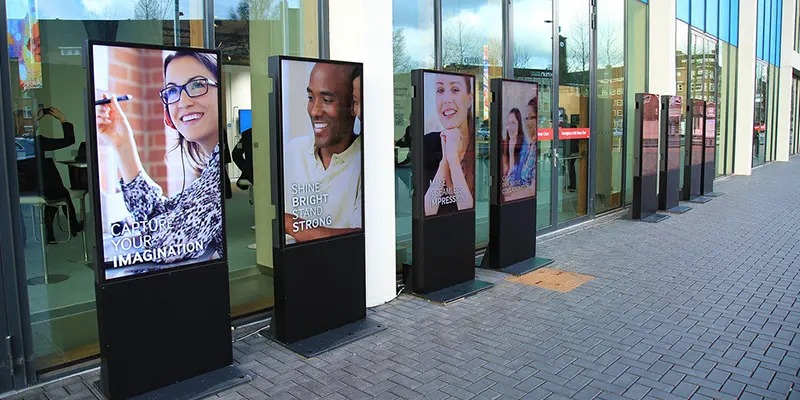
Che cos'è un monitor pubblicitario?
Definizione e caratteristiche principali
UNmonitor pubblicitarioè uno schermo digitale utilizzato per mostrare contenuti promozionali, pubblicità, annunci e messaggi di branding. A differenza dei tradizionali poster o banner, questi monitor mostrano contenuti multimediali dinamici come video, animazioni e aggiornamenti in tempo reale.
Tipi di monitor pubblicitari
Monitor per interni
Sono comunemente utilizzati in negozi al dettaglio, ristoranti, uffici e ospedali. Offrono immagini ad alta risoluzione adatte alla visione ravvicinata.
Monitor per esterni
I monitor per esterni sono progettati per resistere alle condizioni atmosferiche più avverse. Offrono livelli di luminosità elevati per garantire la visibilità anche sotto la luce del sole.
Settori che utilizzano monitor per la pubblicità display
Monitor pubblicitariSono ampiamente utilizzati nei settori della vendita al dettaglio, dell'ospitalità, della sanità, dell'istruzione, dei trasporti e delle aziende. La loro adattabilità li rende adatti a quasi tutti gli ambienti aziendali.
Maggiore appeal visivo e coinvolgimento
Il potere dei contenuti dinamici
Immagina di passare davanti a un cartellone pubblicitario statico o a uno schermo vibrante che riproduce contenuti video di alta qualità. Quale dei due cattura più velocemente la tua attenzione? La risposta è ovvia. I monitor pubblicitari consentono alle aziende di presentare immagini in movimento, effetti sonori e animazioni che attraggono naturalmente gli spettatori.
I contenuti dinamici stimolano più sensi, rendendo gli annunci pubblicitari più memorabili e persuasivi.
Catturare l'attenzione del pubblico più velocemente
Il cervello umano elabora i contenuti visivi molto più velocemente del testo. I display pubblicitari sfruttano questo vantaggio per catturare l'attenzione in pochi secondi. Negli spazi affollati, dove i consumatori sono costantemente bombardati di informazioni, i display digitali risaltano come un riflettore nel buio.
Efficacia dei costi rispetto alla pubblicità tradizionale
Vantaggi degli investimenti a lungo termine
A prima vista, i monitor pubblicitari possono sembrare costosi. Tuttavia, si rivelano estremamente convenienti nel tempo. Le aziende devono investire una sola volta in hardware e software. Dopo l'installazione, i contenuti possono essere aggiornati ripetutamente senza costi di produzione aggiuntivi.
Riduzione dei costi di stampa e sostituzione
La pubblicità tradizionale richiede frequenti operazioni di stampa, distribuzione e sostituzione. Queste spese ricorrenti si accumulano rapidamente. I monitor pubblicitari eliminano completamente i costi di stampa, rendendoli una soluzione di marketing sostenibile ed economica.
Vantaggio competitivo nel marketing moderno
Distinguersi nei mercati affollati
Oggi le aziende devono affrontare una concorrenza agguerrita. I monitor pubblicitari offrono un modo moderno e innovativo per distinguersi dalla concorrenza.
Rafforzare la credibilità aziendale
L'utilizzo di tecnologie pubblicitarie avanzate aumenta la credibilità del marchio. I clienti percepiscono le aziende che utilizzano display digitali come più professionali e affidabili.
Integrazione con tecnologie intelligenti
Integrazione di intelligenza artificiale e IoT
I display pubblicitari possono integrarsi con l'intelligenza artificiale e le tecnologie dell'Internet of Things. Queste integrazioni consentono la distribuzione intelligente dei contenuti in base al comportamento del pubblico.
Opportunità di pubblicità personalizzata
I monitor dotati di intelligenza artificiale possono analizzare le preferenze dei clienti e visualizzare annunci pubblicitari personalizzati, aumentando i tassi di conversione.
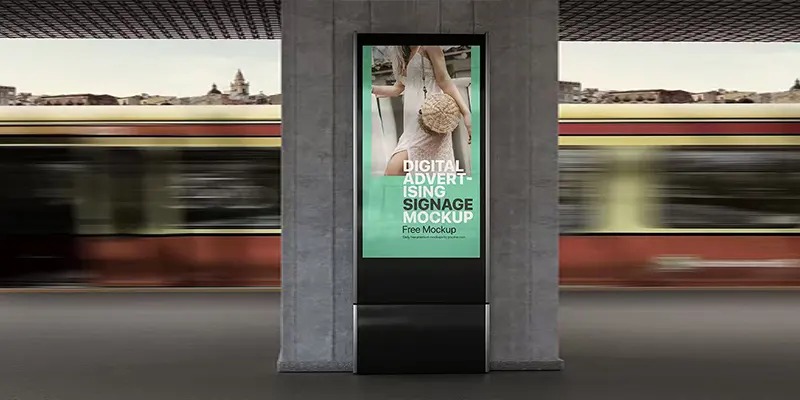
Come scegliere il monitor pubblicitario giusto
Comprendi i tuoi obiettivi pubblicitari
Prima di valutare le specifiche tecniche, le aziende dovrebbero definire chiaramente i propri obiettivi pubblicitari. Obiettivi diversi richiedono soluzioni espositive diverse. Ad esempio, un negozio al dettaglio potrebbe utilizzare monitor pubblicitari per promuovere sconti stagionali, mentre un ospedale potrebbe utilizzarli per visualizzare contenuti informativi o linee guida per i pazienti. I ristoranti utilizzano spesso monitor pubblicitari per mostrare menu digitali o combinazioni promozionali.
Valutare le dimensioni dello schermo in base alla distanza di visione
Per le aree in cui gli spettatori si trovano a breve distanza dal display, come le casse o le reception, gli schermi più piccoli sono solitamente più adatti. Gli schermi di medie dimensioni sono efficaci nelle sale d'attesa, nei corridoi dei negozi o nelle zone di ordinazione dei ristoranti. I display più grandi sono più adatti ad ambienti ad alto traffico come centri commerciali, nodi di trasporto o ingressi di edifici, dove il pubblico visualizza i contenuti da una certa distanza.
Comprendere la distanza dello spettatore aiuta a garantire che il contenuto rimanga leggibile e visivamente accattivante.
Scegli tra display per interni ed esterni
Le condizioni ambientali influenzano significativamente la scelta del tipo di monitor pubblicitario. I display per interni sono progettati per ambienti controllati come negozi, uffici e ristoranti. In genere, offrono livelli di luminosità moderati e caratteristiche di protezione standard.
Gli espositori da esterno, tuttavia, richiedono una struttura resistente alle intemperie per resistere a pioggia, polvere, sbalzi di temperatura e luce solare diretta. Offrono inoltre livelli di luminosità più elevati e tecnologia antiriflesso per mantenere la visibilità. Sebbene gli espositori da esterno comportino generalmente costi iniziali più elevati, offrono un'eccellente visibilità e raggiungono un pubblico più ampio.
Conclusione
I monitor pubblicitari hanno rivoluzionato il settore pubblicitario offrendo soluzioni di marketing dinamiche, flessibili e convenienti. Offrono un coinvolgimento visivo superiore, aggiornamenti dei contenuti in tempo reale, funzionalità pubblicitarie mirate e preziose informazioni sui dati. In un mondo in cui l'attenzione dei consumatori è sempre più difficile da catturare, i monitor pubblicitari rappresentano strumenti potenti che aiutano le aziende a comunicare in modo efficace e a rimanere un passo avanti rispetto alla concorrenza. Investire nei monitor pubblicitari non significa solo modernizzare le strategie pubblicitarie, ma anche creare connessioni significative con il pubblico e favorire la crescita aziendale a lungo termine.
Domande frequenti
1. I monitor pubblicitari sono adatti alle piccole imprese?
Sì, i monitor pubblicitari sono altamente scalabili e possono essere personalizzati per adattarsi ai budget e alle esigenze di marketing delle piccole imprese.
2. Quanto durano in genere i monitor pubblicitari?
La maggior parte dei monitor pubblicitari di alta qualità può durare dai 5 ai 10 anni con una manutenzione adeguata.
3. È possibile aggiornare da remoto i monitor pubblicitari?
Sì, le aziende possono aggiornare facilmente i contenuti da remoto utilizzando sistemi di gestione dei contenuti digitali.
4. I monitor pubblicitari consumano molta elettricità?
I moderni monitor pubblicitari sono progettati con tecnologie a risparmio energetico che riducono al minimo il consumo di energia.
5. I monitor pubblicitari sono efficaci per la pubblicità esterna?
Sì, i monitor pubblicitari per esterni sono specificamente progettati con caratteristiche di elevata luminosità e resistenza alle intemperie per funzionare efficacemente in ambienti esterni.